12 Aug 2026
Algorithmic Fairness in Networked Reel Systems: Certification Standards and Implementation
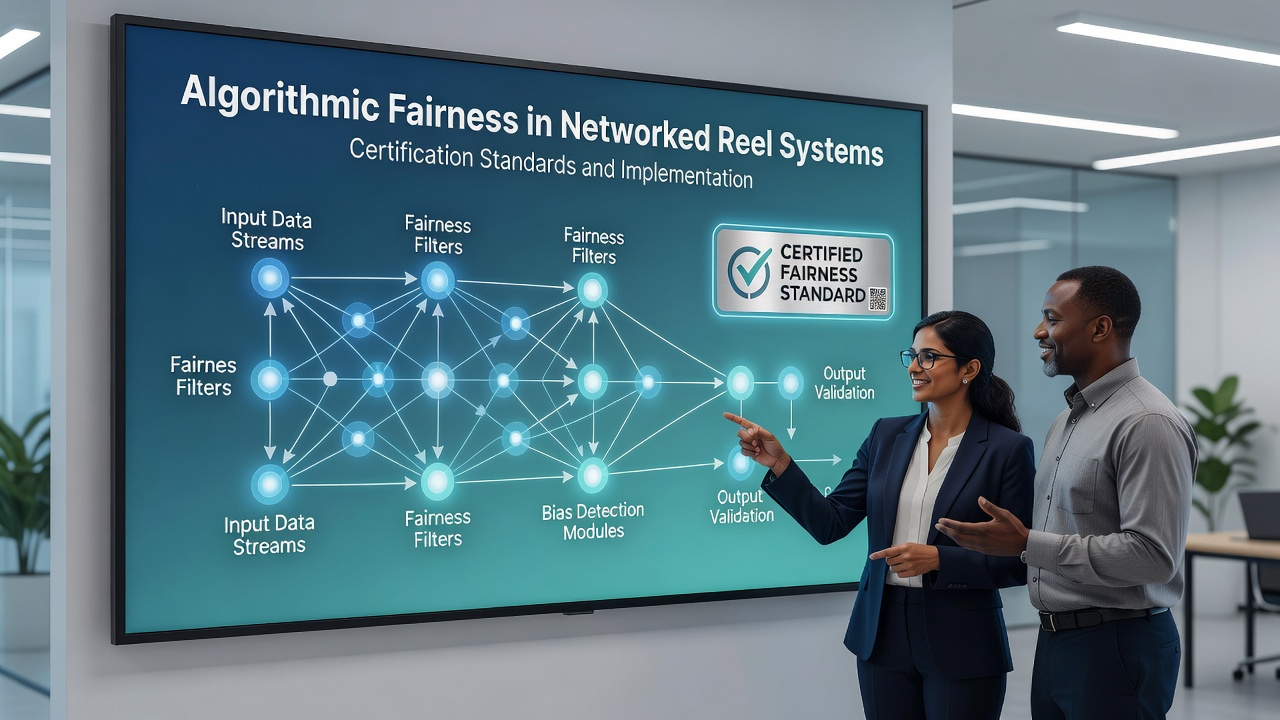
Networked reel systems operate through centralized servers that generate outcomes for connected gaming terminals across multiple jurisdictions, and these architectures require rigorous checks to maintain consistent randomness while preventing any form of systematic bias in reel mapping or symbol distribution. Researchers have documented how even minor coding variations in pseudo-random number generators can produce measurable deviations when scaled across thousands of simultaneous sessions, which is why certification bodies now mandate statistical testing suites that exceed basic uniformity checks.
Core Components of Networked Reel Architectures
Modern implementations separate the random number generation process from the visual reel display, allowing operators to deliver synchronized content while each outcome remains independent of previous spins. Data from independent test houses shows that server-side seeding methods, when combined with cryptographic hash chains, reduce predictability risks that once appeared in older client-side RNG designs. Observers note that the shift toward cloud-hosted reel engines has introduced new variables around latency and state synchronization, yet these same systems enable real-time auditing that was impractical a decade ago.
Certification Standards Across Regions
Certification requirements differ by regulatory territory yet share common statistical thresholds for randomness, independence, and fairness. In North America several state-level authorities reference the GLI-19 standard for RNG evaluation, while Australian jurisdictions apply additional scrutiny to symbol weighting algorithms under their respective technical guidelines. European frameworks emphasize traceability of source code and require third-party verification of any machine-learning components used in outcome selection. A 2025 report from the National Institute of Standards and Technology outlines recommended practices for auditing algorithmic fairness in high-volume transaction systems, and regulators in multiple regions have begun incorporating similar language into their gaming-specific mandates.
Implementation timelines continue to tighten. Several certification laboratories announced in early 2026 that updated test protocols addressing networked scalability would take effect in August 2026, requiring operators to demonstrate that fairness metrics remain stable under peak concurrent loads exceeding 100,000 active sessions. Those who've studied these transitions point out that laboratories now demand extended simulation runs covering at least 10 billion outcomes before granting certification renewal.
Practical Implementation Steps
Operators typically begin by isolating the RNG module within a dedicated hardware security module or equivalent software enclave, then subject the module to both statistical and source-code reviews. Subsequent integration testing verifies that reel mapping functions preserve the certified probability distribution even when personalization layers adjust visual themes or bonus triggers. Teams responsible for deployment often run parallel shadow environments that mirror live traffic, allowing engineers to detect any divergence between certified behavior and production output before full rollout.
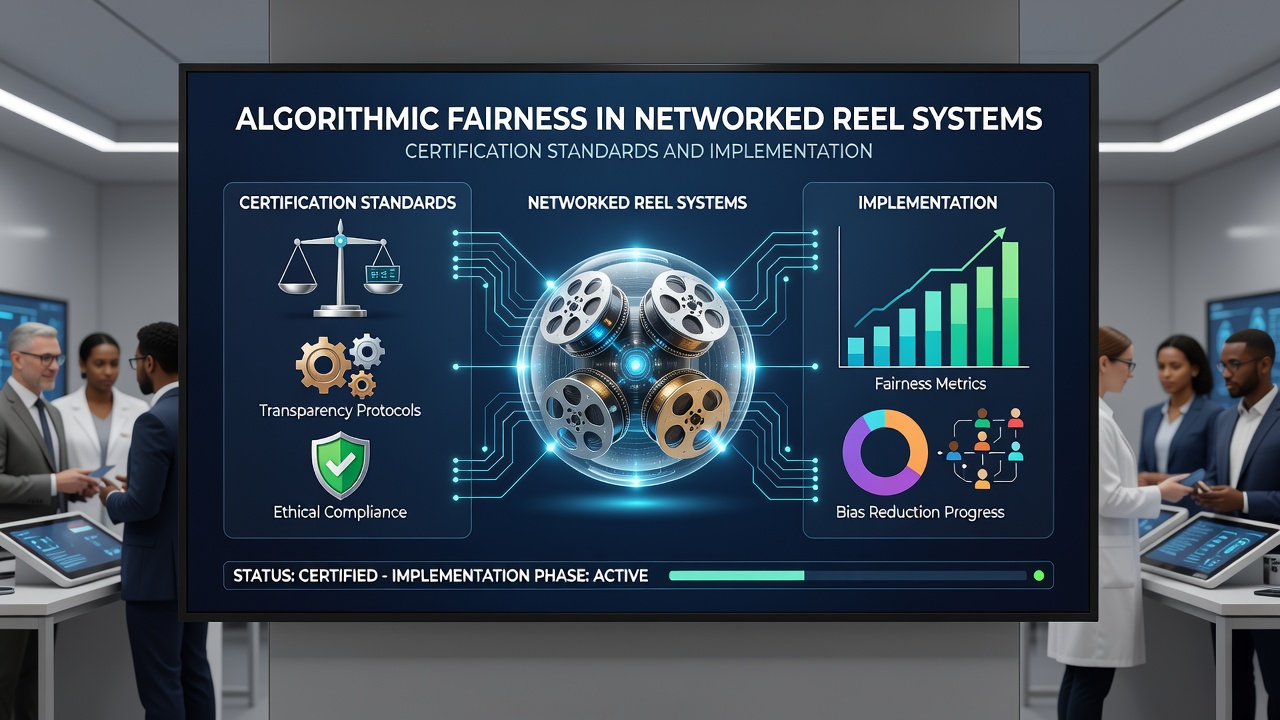
Continuous monitoring forms another required layer. Systems log every outcome seed along with associated reel positions, enabling post-certification audits to reconstruct any disputed sequence. Research indicates that organizations adopting automated anomaly detection on these logs identify potential fairness drift weeks earlier than those relying solely on periodic manual reviews.
Case Examples from Deployment Records
One documented rollout involved a multi-state operator migrating legacy reel engines to a containerized architecture in 2025. After initial certification, the operator discovered that load-balancing logic inadvertently correlated seed generation timing with geographic player clusters, producing a statistically detectable pattern under high traffic. Corrective measures included adding jitter to seed requests and re-certifying the updated module, a process completed within the August 2026 compliance window. Similar adjustments appear in technical summaries released by testing laboratories serving Canadian provincial markets, where regulators now require explicit documentation of any load-balancing interaction with RNG processes.
Conclusion
Certification standards for algorithmic fairness in networked reel systems continue to evolve in response to both technological change and regulatory coordination across borders. Organizations that maintain detailed audit trails, subject machine-learning components to independent review, and schedule preemptive re-testing ahead of deadlines such as the August 2026 protocol updates position themselves to meet requirements without service interruption. The evidence accumulated by testing laboratories demonstrates that consistent application of these standards preserves outcome independence while supporting the scalability demands of modern networked environments.