24 Aug 2026
API Integrations Enabling Seamless Player Journeys Across Digital Reels, Card Rooms, and Bingo Halls
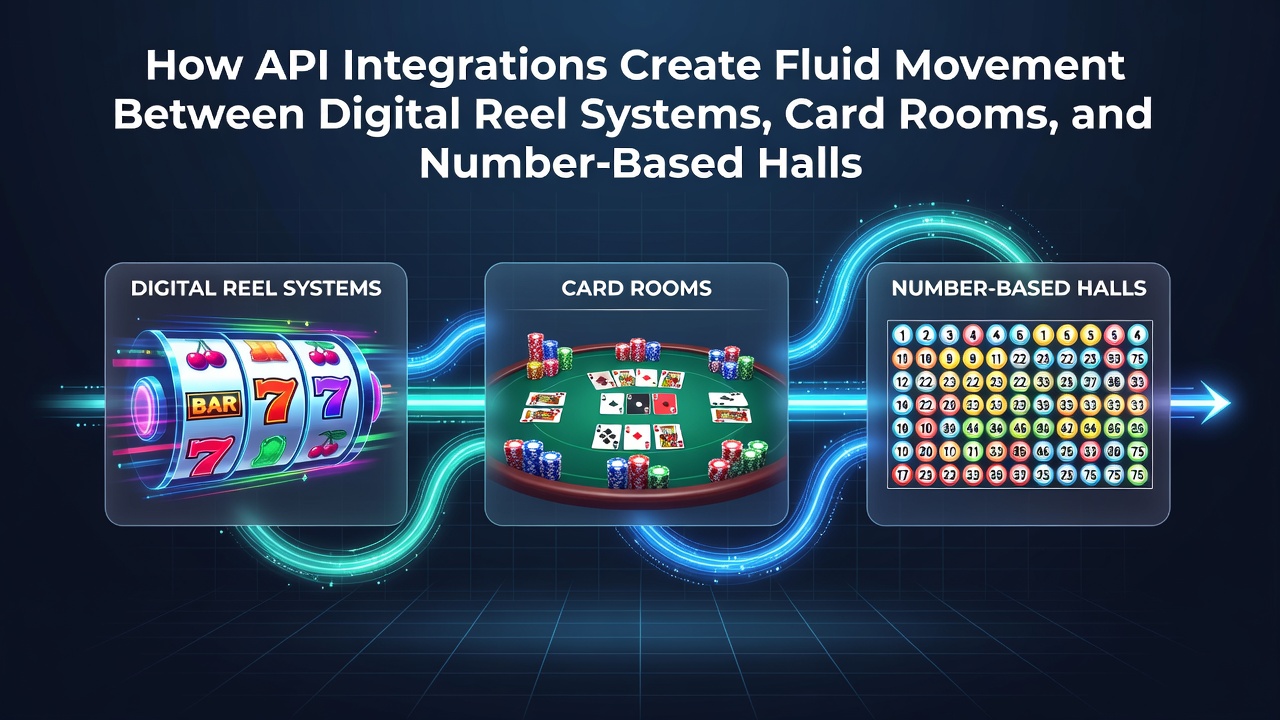
Operators now rely on application programming interfaces to link digital reel systems with card room software and number-based hall platforms, creating pathways that let players move between game types without separate logins or wallet transfers. These connections handle authentication, balance updates, and game state synchronization through standardized data exchanges that run in the background.
Core Mechanics of Cross-Platform API Links
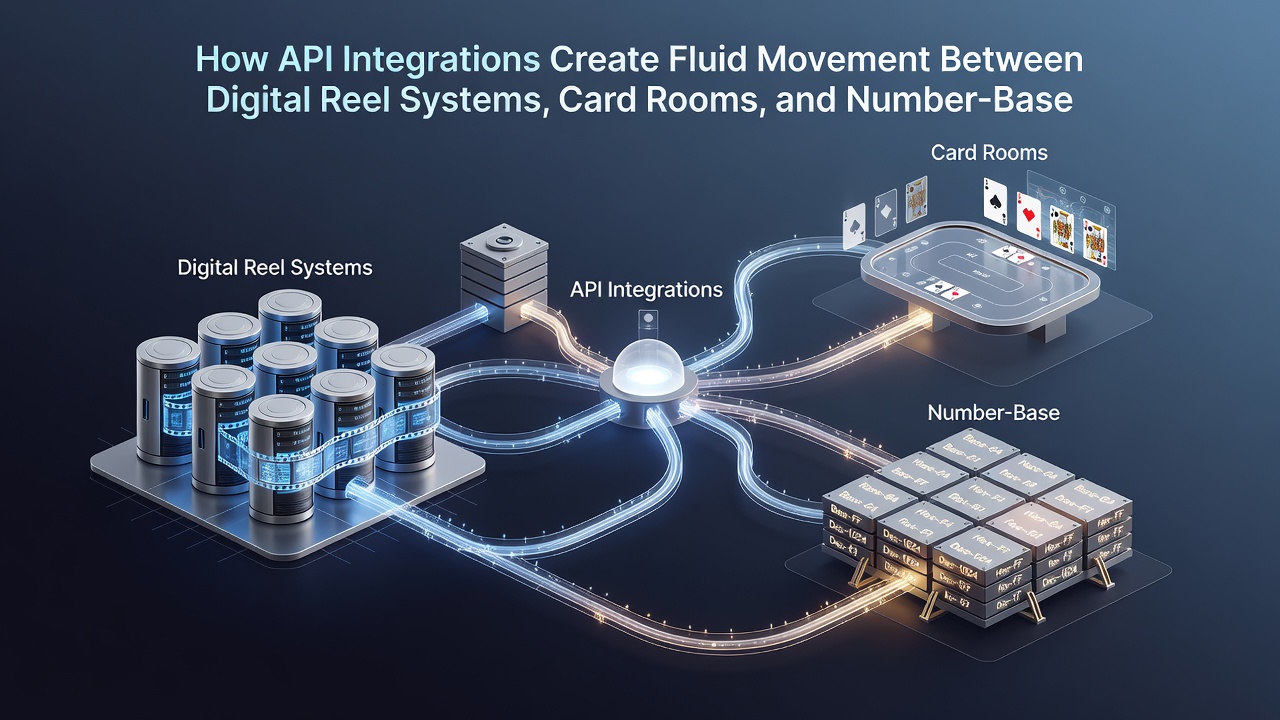
Developers build RESTful and WebSocket endpoints that transmit player identifiers, session tokens, and transaction records between slot servers, poker engines, and bingo management systems. When a user finishes a reel spin sequence, the API call updates the shared ledger and pushes available game options from teh card room or bingo hall in the same interface. Data packets travel through secure channels that comply with encryption standards required by multiple jurisdictions.
Research from the University of Nevada, Las Vegas Center for Gaming Research shows that integrated environments reduce average session transition time by measurable margins compared with siloed platforms. The same study tracks how API latency below 200 milliseconds maintains player engagement across game categories without noticeable delays.
Regulatory Frameworks Shaping Integration Standards
State agencies in the United States, including the Pennsylvania Gaming Control Board, publish technical specifications that mandate secure API documentation and audit trails for any system connecting multiple game types. These rules require operators to log every data exchange that moves funds or player status between reel, card, and number-draw modules. Similar guidelines appear in Canadian provincial frameworks, where Ontario's iGaming regulators enforce comparable testing protocols before approving live integrations.
European authorities outside the United Kingdom apply parallel requirements, with bodies such as the Malta Gaming Authority reviewing API architecture during licensing renewals. Compliance teams therefore design unified endpoints that satisfy documentation demands from several regions simultaneously.
Practical Implementation Examples in August 2026
By August 2026, several multi-state operators had rolled out unified dashboards that surface reel, card, and bingo options through a single API gateway. One documented deployment connected a major slot provider's reel library to an established poker network and a bingo engine licensed in multiple European markets. The project used event-driven messaging so that jackpot contributions from reel play could influence progressive pools available in the card room without manual reconciliation.
Another case involved a Canadian operator linking provincial bingo halls to an international poker skin. API calls handled real-time number draws while pulling poker tournament schedules into the same lobby view. Observers note that these setups rely on middleware layers that translate data formats between legacy bingo servers and newer poker clients.
Data Security and Player Account Management
Security protocols wrap each API request in token-based authentication and mutual TLS certificates. When a player switches from reels to a card room table, the system verifies identity once and propagates the session across environments. Account balances remain consistent because settlement calls execute atomically, preventing partial updates that could create discrepancies.
Industry reports from the European Gaming and Betting Association indicate that platforms using these methods experience fewer reconciliation errors during cross-game transfers. The same reports document how encryption standards and regular penetration testing form part of the approval process for any new integration.
Future Directions for Unified Gaming Infrastructure
Technical roadmaps now include expanded use of GraphQL layers that let front-end applications query multiple game backends through one endpoint. Developers also explore event streaming platforms that broadcast state changes from reel servers to poker and bingo modules in near real time. These enhancements aim to support larger player volumes while preserving the low-latency experience required for live dealer card rooms and timed bingo draws.
Conclusion
API integrations continue to serve as the connective tissue between digital reel systems, card rooms, and number-based halls by managing authentication, transactions, and game discovery through standardized protocols. Regulatory bodies across North America and Europe maintain oversight through technical specifications that emphasize security and auditability. As deployments evolve through 2026 and beyond, the underlying architecture focuses on reliable data exchange that keeps player movement fluid across game categories without introducing friction or compliance gaps.