22 Aug 2026
Global Trends in Gambling Operator Payment Systems
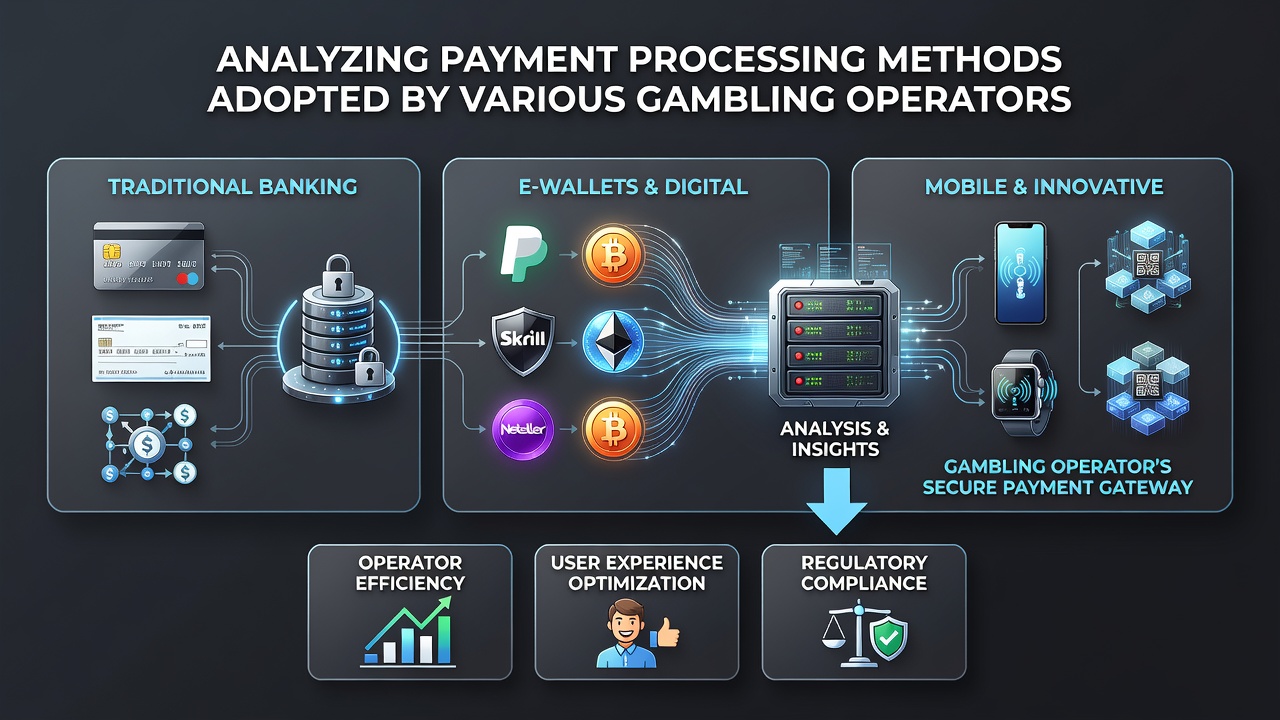
Operators in the gambling sector select payment processing methods based on regulatory requirements, customer preferences, and operational efficiency, with choices varying significantly across regions and platforms. Data from industry reports shows that credit and debit card transactions remain a primary option in many markets because they offer established infrastructure and broad accessibility, while e-wallets have gained traction due to faster settlement times and enhanced privacy features. In August 2026 observers note continued growth in digital wallet adoption particularly in Europe and parts of Asia where mobile usage drives higher volumes of instant deposits.
Core Payment Categories in Use
Traditional bank transfers serve as a reliable backbone for larger withdrawals at numerous operators since they provide direct account-to-account movement without intermediary fees in many cases, and this method integrates well with compliance checks required by licensing bodies. Credit cards handle the majority of initial deposits according to figures from multiple operator disclosures because Visa and Mastercard networks support real-time authorization that reduces abandoned transactions. Prepaid cards and vouchers appear frequently in markets with strict banking restrictions on gambling activity, allowing users to fund accounts without linking personal financial details directly.
Regional Adoption Patterns
North American operators, especially those licensed under the Nevada Gaming Control Board, lean heavily toward card-based and ACH bank systems to align with state-level oversight, whereas Australian platforms incorporate a wider mix that includes local bank transfers and emerging digital options regulated by the Australian Communications and Media Authority. European operators show stronger integration of e-wallets and instant bank payments through open banking frameworks, with reports from the European Gaming and Betting Association indicating that over 60 percent of transactions in certain jurisdictions now route through these channels. Asian markets demonstrate increasing experimentation with cryptocurrency wallets alongside traditional methods because local regulations in places like the Philippines permit such experimentation under controlled conditions.
Security and Compliance Integration
Every major operator implements multi-layer verification protocols regardless of the chosen payment method, combining address verification services with transaction monitoring tools that flag unusual patterns in real time. Research from academic studies on financial technology in gaming highlights that operators using tokenization for card data experience fewer fraud incidents compared to those relying solely on legacy encryption. Compliance teams review payment provider partnerships regularly to ensure alignment with anti-money laundering directives issued by regional authorities, and this ongoing scrutiny shapes which methods receive approval for high-volume use.

Emerging Methodologies and 2026 Developments
Cryptocurrency processing has expanded among operators targeting international audiences because blockchain ledgers offer transparent yet pseudonymous records that satisfy some audit requirements, and several platforms now list Bitcoin and stablecoin options alongside fiat alternatives. Mobile payment systems tied to carrier billing have appeared in select African and Southeast Asian markets where smartphone penetration outpaces traditional banking access. Operators continue testing instant payout solutions that leverage open banking rails, shortening withdrawal windows from days to minutes in supported regions while maintaining the same verification standards applied to slower methods.
Operational Considerations for Operators
Cost structures influence method selection because card networks impose per-transaction fees that accumulate at scale, prompting some operators to promote e-wallet alternatives that reduce those expenses. Processing speed affects player retention metrics, with data indicating higher repeat activity on sites that complete both deposits and withdrawals within the same session whenever possible. Providers also evaluate geographic availability since certain payment rails remain restricted or unavailable in specific countries, requiring operators to maintain multiple processor relationships to serve diverse player bases without interruption.
Conclusion
Payment processing in gambling continues evolving through a combination of established financial networks and newer digital solutions, with operators adapting selections to match local rules and user behaviors. Figures reveal steady diversification across card systems, bank transfers, e-wallets, and cryptocurrencies as platforms seek reliable yet flexible options that support both regulatory compliance and operational scale. Those tracking developments into late 2026 can expect further refinement of instant and mobile-first methods as infrastructure improves globally.