26 Aug 2026
The Technical Foundations Supporting Unified Digital Access to Spins, Tables, and Draws
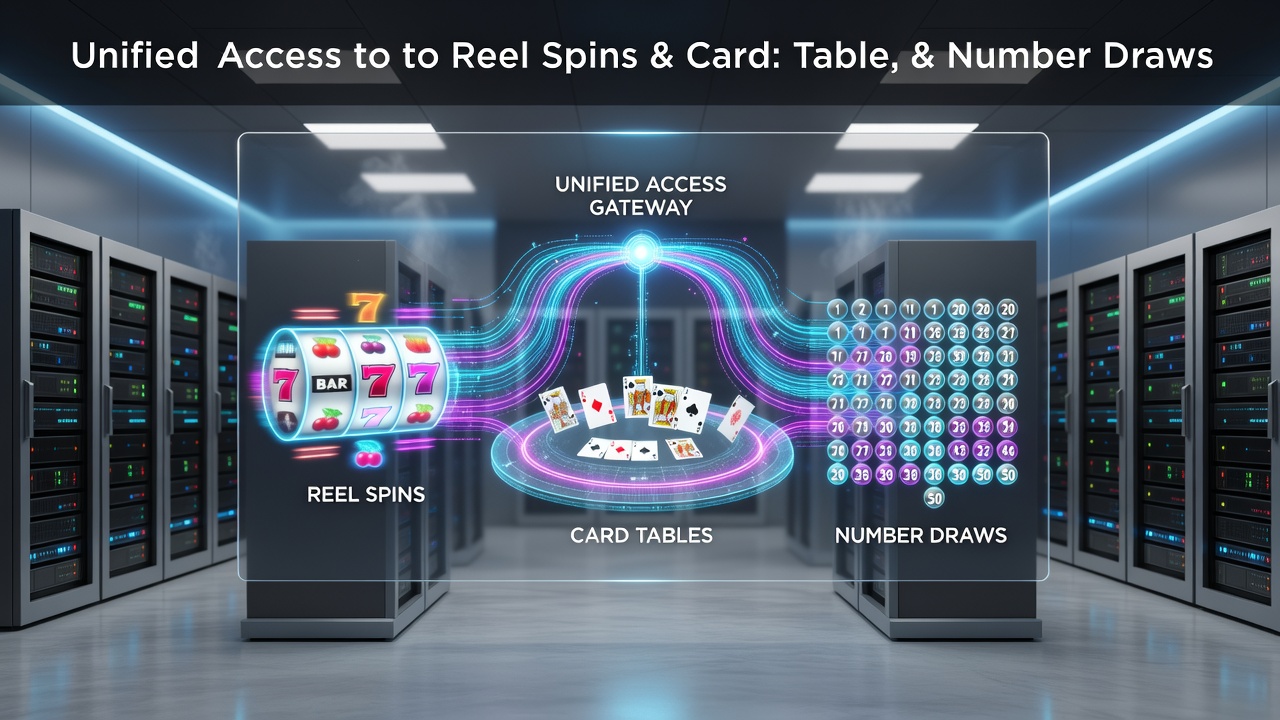
Modern digital gaming platforms rely on layered infrastructure that connects reel-based games, table simulations, and number selection systems through shared backend resources. This setup allows operators to deliver multiple game types from one account interface while maintaining separate regulatory and technical requirements for each category. Data centers house clusters of servers that process requests in real time, routing traffic according to game type and jurisdiction rules.
Core Server Architecture and Microservices
Operators deploy microservices architectures where individual components handle specific functions such as game logic, player authentication, and transaction logging. A central orchestration layer directs calls between services, so a user request for a reel spin moves through the same identity verification module used for card table sessions or number draw entries. Cloud providers supply the scalable compute resources that expand capacity during peak periods, while containerization tools like Kubernetes manage deployment across multiple regions. As of August 2026, several large operators reported migrating additional workloads to hybrid cloud environments that combine private infrastructure with public cloud instances for regulatory data residency compliance.
Random Number Generation and Fairness Mechanisms
Independent random number generators power outcomes across all three game categories, yet each type applies distinct certification standards. Reel spins typically use algorithms certified against specific payout percentages, whereas card table simulations incorporate shuffle routines that mimic physical decks. Number draw systems require additional layers for verifiable randomness when used in bingo-style or lottery formats. Testing laboratories conduct periodic audits, and operators maintain logs that regulators can access on demand. Research from the University of Nevada, Reno shows that centralized RNG servers reduce variance between game types while preserving the statistical independence required by licensing conditions.
Database Integration and Player Data Management
Unified access depends on databases that store player profiles, balance information, and game history in formats accessible to every title. Relational databases track financial transactions, while NoSQL collections hold session data and preference settings. Synchronization protocols ensure that a deposit made during a card table session appears instantly for reel spins or number draws. Sharding techniques distribute load across database nodes, preventing bottlenecks when thousands of concurrent sessions occur. External systems such as payment gateways and identity verification services connect through secure APIs that enforce rate limiting and encryption standards.
API Gateways and Cross-Game Connectivity
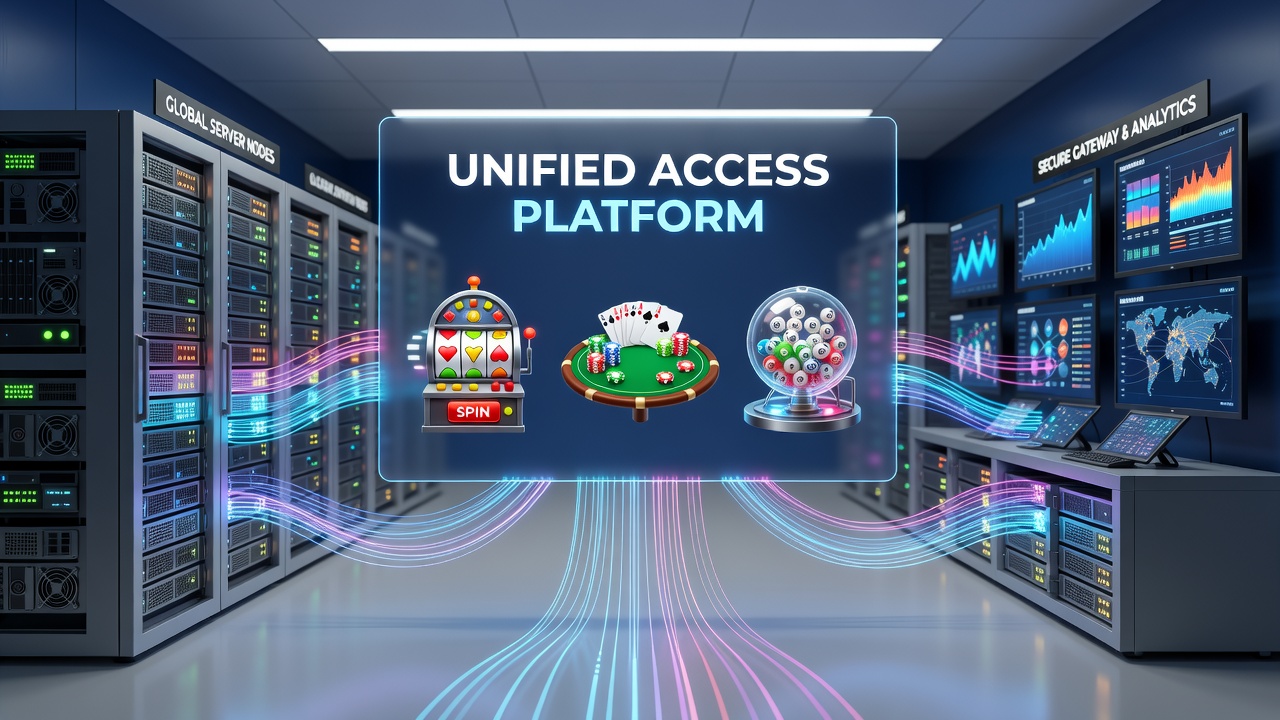
API gateways serve as the entry point for client applications, authenticating requests and directing them to the appropriate backend service. These gateways enforce consistent session management so that a player can switch between reel spins, card tables, and number draws without re-authenticating. Rate limiting and throttling protect against abuse, while logging captures every interaction for compliance reporting. Industry groups including the European Gaming and Betting Association publish guidelines on API security that many operators adopt to maintain interoperability across jurisdictions. Observers note that standardized API schemas reduce development time when adding new game types to an existing platform.
Security Protocols and Regulatory Compliance
Encryption protects data in transit and at rest, with multi-factor authentication required for account access. Intrusion detection systems monitor for anomalous patterns that could indicate fraud or technical failure. Regulatory bodies in different regions impose varying requirements: the Malta Gaming Authority requires detailed audit trails for all game outcomes, while the Nevada Gaming Control Board focuses on technical standards for RNG integrity and financial controls. Operators implement geo-fencing and IP verification to restrict access according to licensing terms. Annual penetration testing and vulnerability assessments form part of standard maintenance routines.
Conclusion
The infrastructure that unifies access to reel spins, card tables, and number draws combines server clusters, certified random number systems, synchronized databases, and secure gateways into a single operational framework. Regulatory oversight from multiple jurisdictions shapes the design choices, while technical standards evolve to support growing player volumes. Figures from industry reports indicate continued investment in these backend systems as operators expand their offerings across digital channels.