24 Aug 2026
Unified Gaming Ecosystems: Synchronizing Slots, Poker, and Bingo Across Platforms
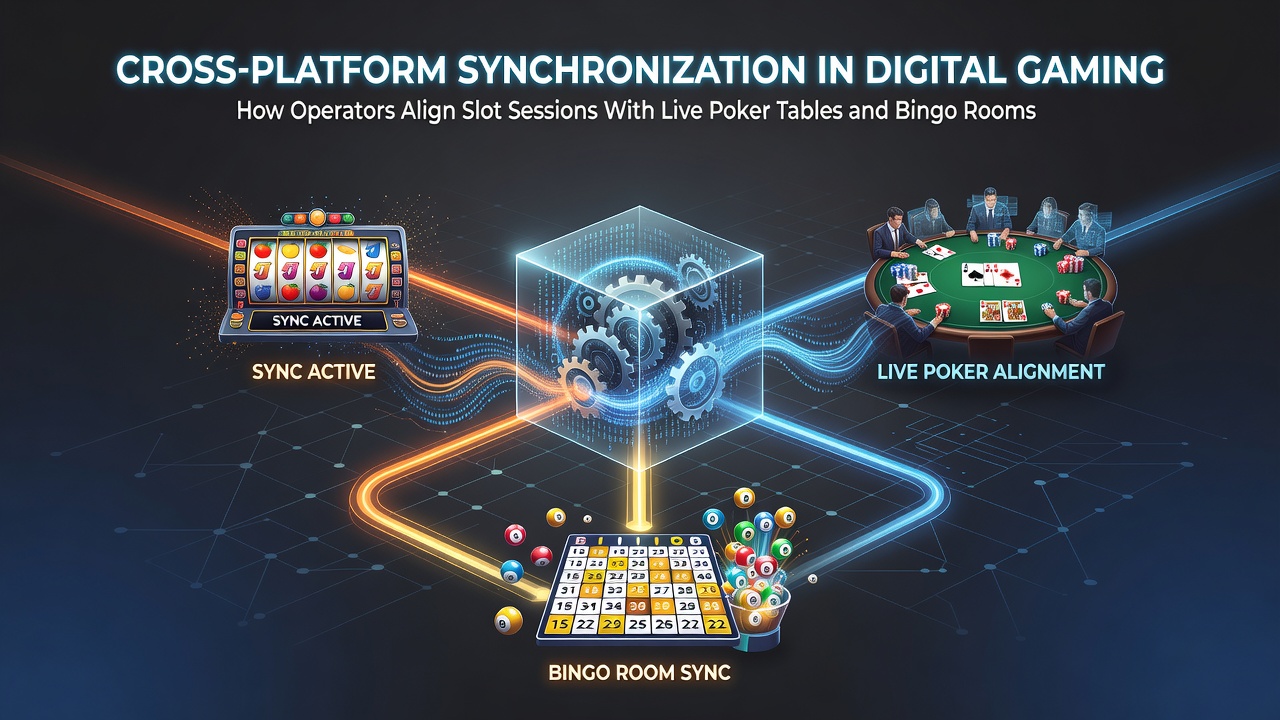
Operators in digital gaming have developed systems that link slot sessions directly to live poker tables and bingo rooms, allowing players to move between formats while maintaining continuous progress and account states. These alignments rely on centralized databases that track activity across game types, and the approach has expanded notably by August 2026 as platforms integrate more real-time features. Research from the Gambling Research Exchange Ontario indicates that such synchronization reduces player drop-off rates when switching between machine-based and table-based games.
Core Technologies Behind the Alignment
Central player management systems serve as the foundation, storing data on bets, wins, and session durations in a single repository that multiple game servers access simultaneously. Application programming interfaces, or APIs, push updates between slots and live dealer environments in milliseconds, while bingo platforms receive the same data streams to adjust room availability and prize pools accordingly. Observers note that this setup prevents discrepancies that once occurred when players switched devices or game categories mid-session, and it supports features like shared loyalty points that accumulate regardless of whether someone starts on a slot or joins a poker table.
Cloud-based architectures handle the scale required for these operations, distributing load across regional servers so that a player in one time zone experiences the same continuity as someone elsewhere. Data encryption protocols protect the flow of information, and compliance teams audit these connections regularly to meet standards set by bodies such as the Nevada Gaming Control Board. The result appears in seamless transitions where a slot bonus might unlock entry into a bingo room or contribute toward poker tournament qualifiers.
Player Account Integration and Loyalty Mechanisms
Unified accounts eliminate the need for separate logins or balance transfers, instead presenting a single wallet and history view that updates across all offerings. Loyalty programs tie progress together so that time spent on slots can qualify players for live poker promotions or reserved bingo seats, and operators achieve this through tiered reward structures updated in real time. Figures from industry reports show that platforms using these integrated systems report higher retention when players engage with multiple formats in one visit.
Session tracking extends to live elements as well, with poker table software feeding hand histories and average stack sizes into the central system, while bingo callers log participation metrics that influence slot-based rewards. This interconnected approach allows operators to offer cross-format challenges, such as completing a certain number of slot spins to earn chips for a poker sit-and-go or bingo tickets for progressive jackpots.
Implementation Examples and Operational Adjustments
One major operator implemented a dashboard that displays live poker wait times alongside slot recommendations drawn from the player's recent activity, and bingo rooms adjust their speed settings based on aggregate data from connected slot sessions. These adjustments occur through automated scripts that analyze traffic patterns and shift resources, such as opening additional tables when slot activity spikes in certain regions. Studies from the University of Nevada, Las Vegas have examined similar models and found measurable improvements in operational efficiency when synchronization covers both automated and live dealer components.
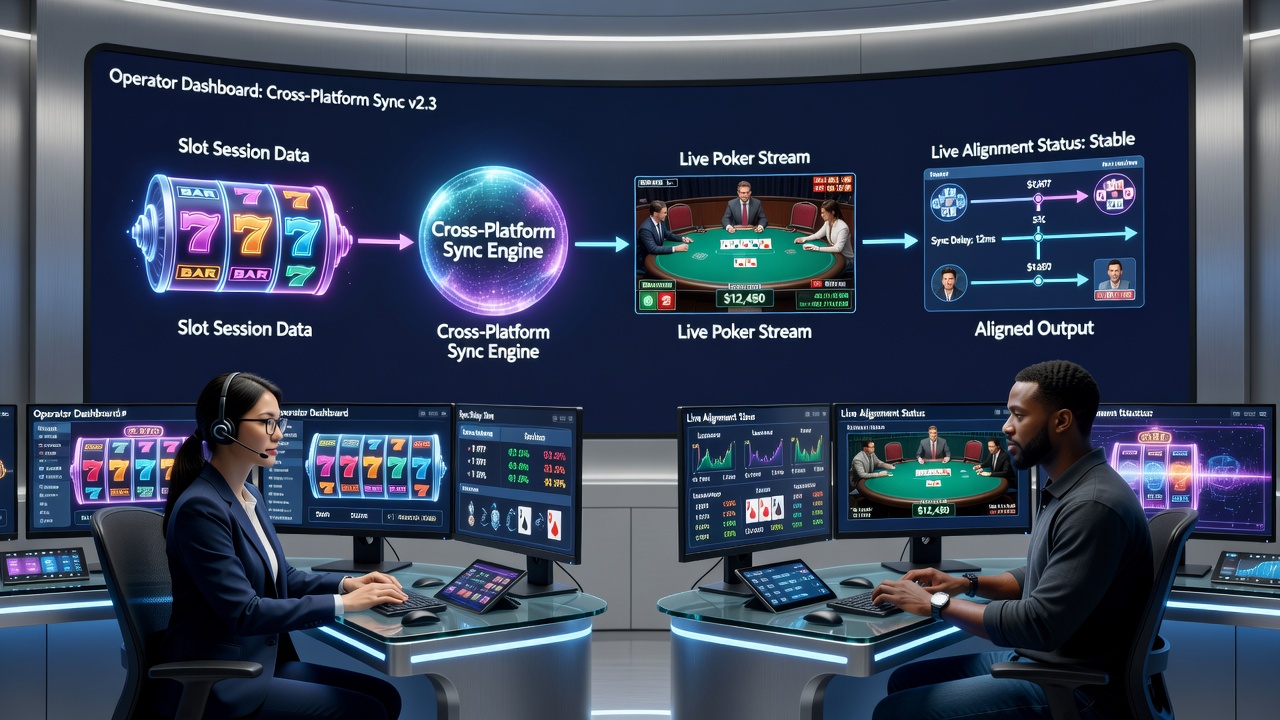
Staff training programs now include modules on monitoring these cross-platform tools, ensuring that support teams can resolve issues that span multiple game types without transferring players between departments. Scheduled maintenance windows are coordinated across all servers to minimize disruption, and rollback procedures exist in case synchronization errors arise during peak hours. By August 2026 many platforms had adopted predictive analytics that forecast demand across formats and pre-allocate server capacity accordingly.
Regulatory and Security Considerations
Regulatory frameworks in multiple jurisdictions require that synchronized systems maintain audit trails for every transaction, regardless of the game involved. Authorities such as those in the Australian state of New South Wales review these trails to confirm that player funds and game outcomes remain consistent across platforms. Security measures include multi-factor authentication at the account level and continuous monitoring for unusual patterns that might indicate attempts to exploit the connections between slots, poker, and bingo.
Operators also address latency issues that could affect fairness, particularly in live poker where timing matters, by deploying edge computing nodes closer to player locations. Bingo operations benefit from the same infrastructure because random number generators and draw systems receive synchronized timestamps that align with slot reel outcomes. Data from the European Gaming and Betting Association highlights ongoing work to standardize these technical requirements across borders.
Conclusion
Cross-platform synchronization continues to evolve as operators refine the connections between slot sessions, live poker tables, and bingo rooms through improved data handling and account management. The practices observed through August 2026 demonstrate how centralized systems support fluid movement between formats while meeting technical and regulatory demands. Players encounter fewer barriers when shifting between game types, and operators gain tools to manage activity across their entire portfolio in a unified manner.